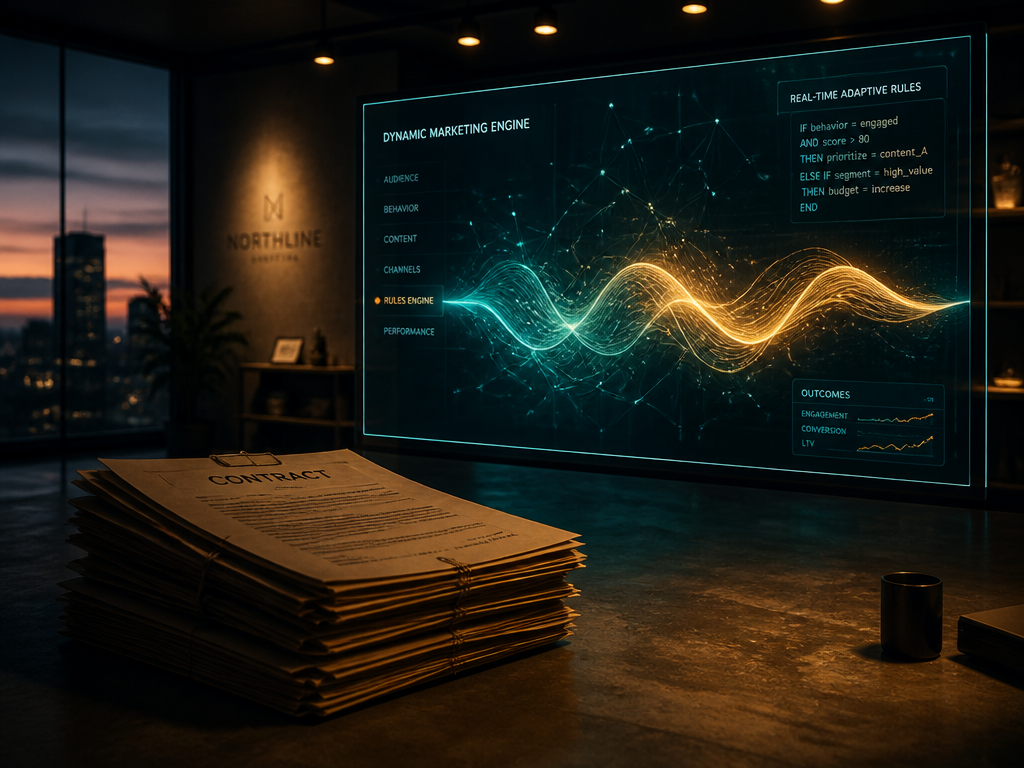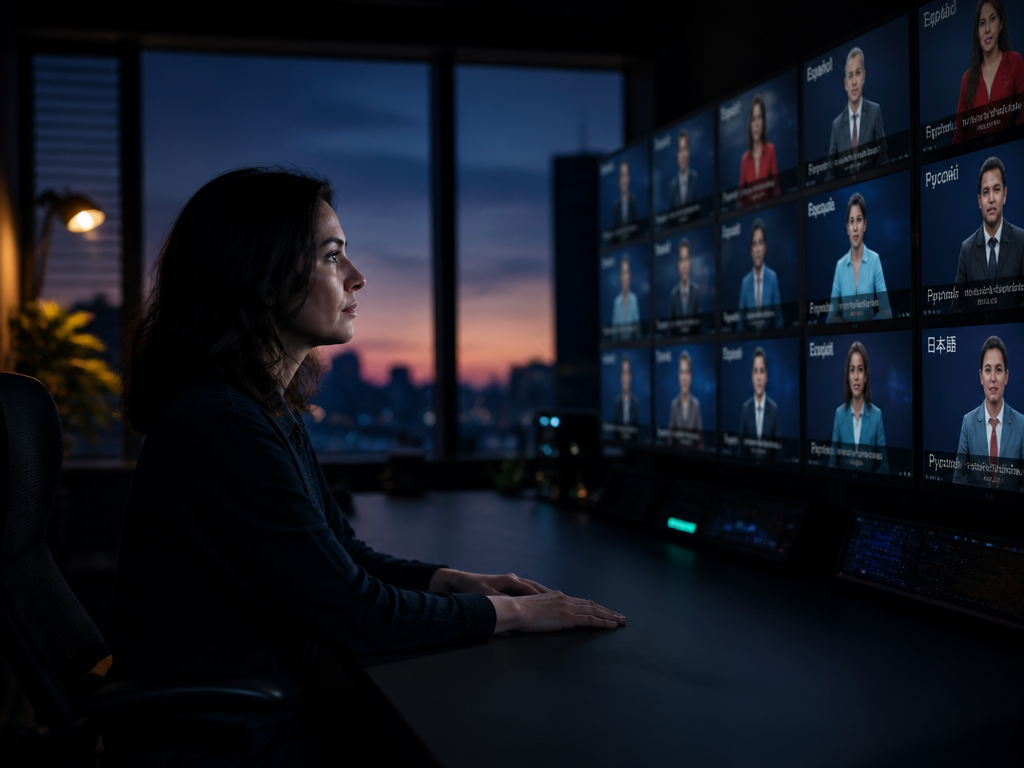
A brand I know cleared a beloved animated character for a holiday campaign. Likeness: approved. The catalog of pre-written lines: approved, lawyered, locked. Then someone in product decided the character should answer customer questions live, in a chat window, in its own voice. Suddenly the thing was saying sentences no writer ever wrote and no lawyer ever read. The static rights they'd bought covered a face and a script. They had no rights at all covering conduct — what the character does when a stranger talks to it.
That gap is the whole story of where IP licensing is heading, and it is the reason a company like Infinite Reality, along with moves from Hasbro and its Sixth Wall venture, matters to anyone planning AI-enabled customer experiences. Quick disclosure before we go further: City of Punk builds a competing creative product in the AI audio space. I'm going to tell you straight anyway, because the licensing problem underneath all of this is bigger than any vendor's pitch.
The short version: the right you now need to secure is the character's behavior at runtime, not its appearance in a file, and almost no existing approval workflow is built to grant or police that.
What most people do
Most teams treat an AI character experience the way they'd treat a logo on a billboard. You license the look. You license a catalog of approved lines. You get the design files, the brand bible, the color values, maybe a voice sample. Legal reviews the package once, signs off, and the asset ships. The mental model is placement: here is the thing, here is where it goes, here is the window of time we paid for.
That model has worked for decades because the licensed object didn't move. A character on a cereal box says exactly what the box says. A mascot in a thirty-second spot delivers lines that were storyboarded, recorded, and approved before air. The rights were a snapshot, and the snapshot held still.
An interactive AI character does not hold still. Point a generative system at a customer and it produces novel output — phrasing, tone, opinions, jokes, apologies — that no one pre-cleared because no one could have. The license you signed describes a photograph. The thing you deployed is a live performer doing improv with your customers. When that performer says something off-brand, off-color, or off-model, the contract that protected you covers the wrong object entirely. You licensed the noun. The risk lives in the verb.
I see this most clearly in audio, which is my corner. A voice buyout used to mean: we recorded these lines, we own these lines, done. Synthesize that voice into a model that can say anything, and "these lines" stops being a meaningful boundary. The performer's identity is now generating sentences the performer never spoke. Who agreed to those? Who gets paid for them? Who answers when one of them is a lawsuit?
What the evidence suggests
The vendors building in this space are quietly reorganizing rights around exactly that problem — the verb, not the noun. The throughline in what Infinite Reality is assembling, and in Hasbro routing authorized character experiences through a dedicated venture, is that the contract increasingly governs ongoing conduct rather than a fixed set of assets.
A few concrete shifts fall out of that, and they change how you plan a campaign:
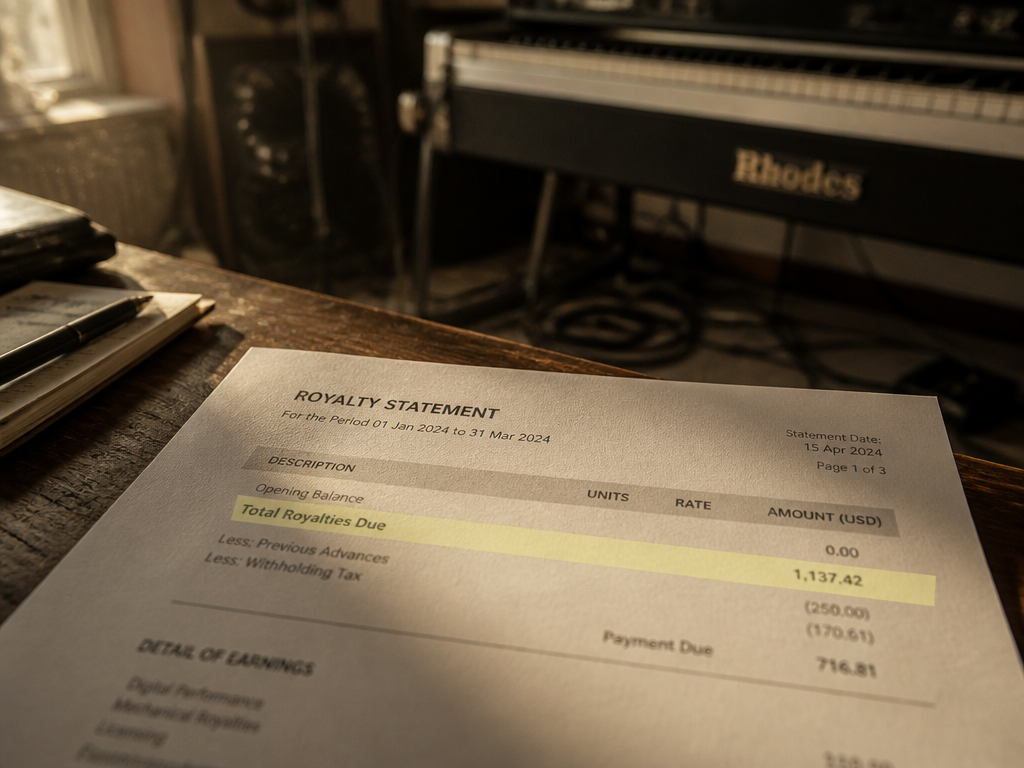
- Compensation moves from buyout to participation. When a voice or character keeps performing — generating new responses every day a customer talks to it — flat one-time fees start looking like underpayment, and talent (and their unions) know it. Expect models where the people behind a character are compensated for continued use, not a single session. Terms vary widely and most of this is being negotiated case by case as of writing; there is no settled rate card.
-
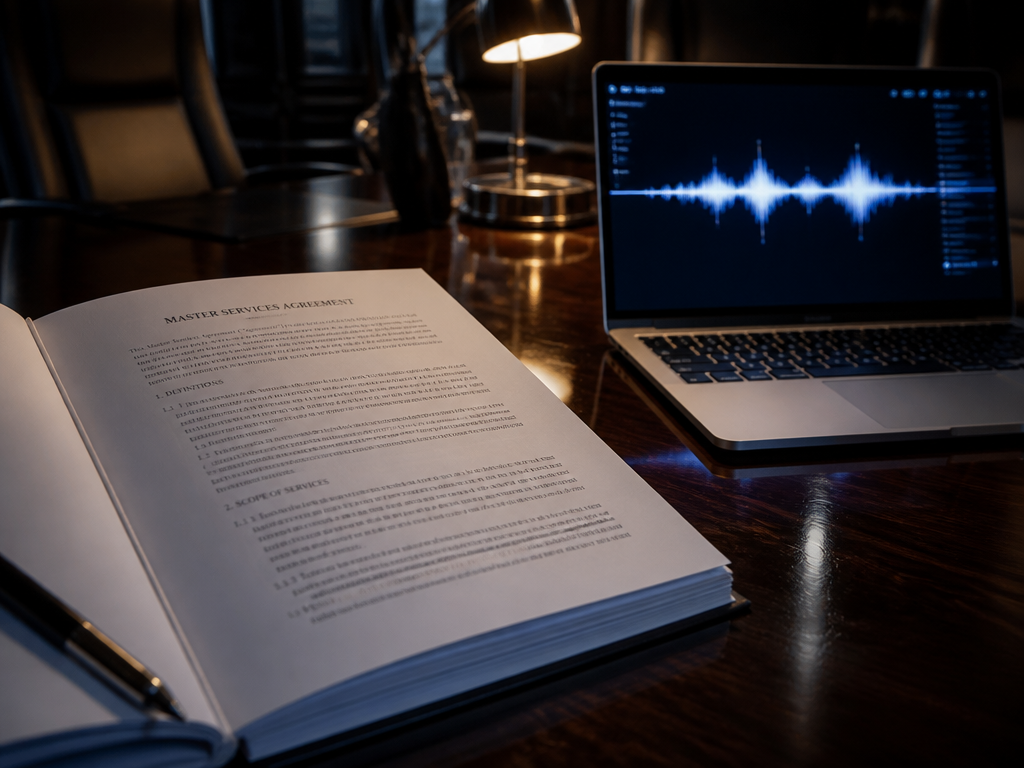
The contract has to define the behavioral envelope. Not "here are the approved lines" but "here is the range of things this character may and may not do, say, or imply." That envelope is a creative document and a legal one at the same time, and it has to be authored before launch by people who understand both the brand and the model's failure modes.
-
Procurement looks more like a marketplace than a one-off deal. Authorized access to a character is becoming something you provision through a controlled channel, with the rights, the model, and the usage terms bundled — rather than a PDF you sign once and forget.
-
Age and context gating becomes part of the spec. A character that can converse needs rules about who it converses with and in what setting. That's an experience-design requirement now, not a footnote.
-
Monitoring is continuous, not pre-flight. You don't clear it once. You watch what the deployed character actually produces, because the risk is generated after launch, in real time, by interactions you never saw coming.
Here's the honest part, the part the announcements skip: none of this is solved. The compensation models are unsettled. The monitoring tooling is immature — catching off-model output at scale is genuinely hard, and the systems that try will miss things. The legal frameworks are being drafted under deadline pressure by people improvising as fast as the technology moves. Treating any of this as a finished product is how you get burned. It's an emerging operational category, and you're going to be early in it whether you want to be or not.
What I actually do
When I license a voice or a piece of music for something interactive, I stopped buying snapshots a while ago. Here's the structure I bring to the table now, and it translates cleanly to character work.
I write the behavioral envelope first, before any deal closes. Plain language: what the character can be made to do, what is categorically off-limits, and who decides the gray cases. That document becomes an exhibit in the contract, not a slide deck that gets lost.
I structure talent terms around continued performance, not a single payment. If a synthesized voice will generate output indefinitely, the person whose voice it is gets compensated on terms that reflect that — usage-based, time-bound, renegotiable. It costs more up front. It costs far less than a talent dispute that pulls a live campaign offline.
I insist on a kill switch and a monitoring cadence in writing. Who watches the output, how often, and what specifically triggers a takedown. I want the response time to a problem defined before there is a problem.
And I get my deliverables and rights spelled out together — the model, the voice, the export formats (give me 48kHz WAV and stems, not a locked black box), and the scope of generated use, in one document. If commercial use of generated output isn't named explicitly, I assume it isn't covered, because that is exactly the footnote that buries people.
Who this is for, and who should skip it
This is for the marketing or brand lead planning a customer experience where a character, voice, or persona responds in real time. If your AI use is internal tooling, or static generated assets you review before they ship, the older snapshot model still mostly holds and you can skip the overhead. The moment your licensed identity starts improvising in front of customers, you are in the new category, and a logo-placement contract will not protect you.
You are no longer licensing what a character looks like. You are licensing what it will do when no one is watching.
Not sure which tool to use?
Compare the top AI music and sound tools side by side — honest reviews, real pricing, no sponsorships.