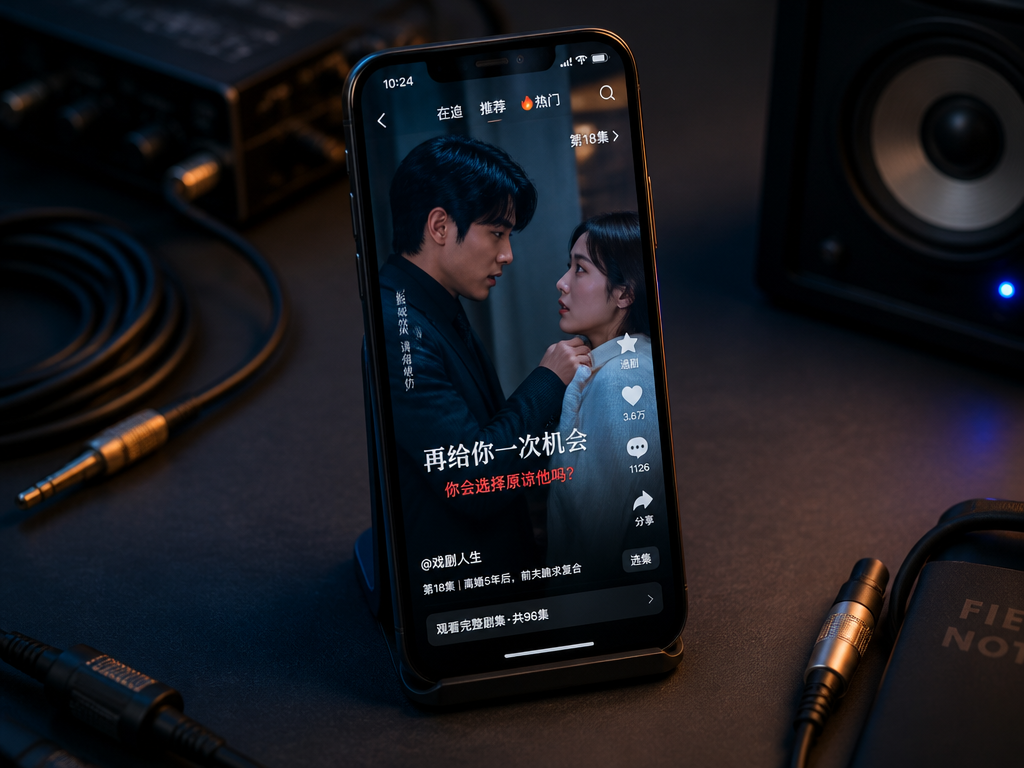
The advice making the rounds in every A&R group chat right now is tidy enough to fit on a Post-it: get your catalog into micro-dramas before the format saturates. Vertical, serialized, soap-opera fiction shot for the phone is pulling real production money, the reasoning goes, every episode needs music, and the artists who plant a flag now will own the channel the way early YouTubers owned theirs.
It is good advice in the way most good advice is good — directionally correct, and wrong about the part that costs you money. So before you reformat your pitch deck, here is where the "get in early" rule holds, where it cracks, and what a more honest version sounds like.
Is putting your music in micro-dramas actually worth it?
Short answer: yes for some of your catalog, almost never for the song you care about most, and not at all if you are expecting it to behave like a film sync. Micro-dramas — those 60-to-90-second vertical episodes that hook on a cliffhanger and bill through coins, ads, or subscription — burn through an enormous quantity of music. That volume is the opportunity. It is also the catch, because volume buys are not prestige buys, and the people running these productions are shopping for something specific that may not be what you are selling.
Get the distinction right and the rest of the strategy falls into place.
Where the advice is roughly right
The format is not vaporware. Serialized vertical fiction has graduated from a curiosity into a funded supply chain, with studios commissioning dozens of titles a quarter and platforms paying to keep the slate full. Each title runs long — sixty, eighty, a hundred micro-episodes — and each episode is wall-to-wall with cues. There is a sting under the cliffhanger, a bed under the dialogue, a button on the reveal. Multiply that across a catalog of shows and the music appetite is genuinely large.
That appetite is also fast. These productions turn around in days, not the months a trailer house spends agonizing over a needle-drop. If you have music that is cleared, tagged, and ready to license without a three-week negotiation, you are solving a real problem for someone with a real budget. The early-mover instinct is sound on this point. The supply of professional, friction-free music is thinner than the demand.
Where it cracks: this is wallpaper, not placement
Here is the first place the advice falls apart. The music role in a micro-drama is not the music role in a film. It is closer to library scoring for daytime television — functional, emotional, and largely invisible. Nobody is Shazaming the bed under episode 34. There is rarely an on-screen credit that survives the vertical crop, the metadata that flows to a DSP, or the cultural moment that turns a placement into a streaming bump.
What that means in practice: treat these as flat-fee or low-rate volume licenses, not as discovery engines. The fee is the value. If your pitch assumes a placement will drive Spotify saves the way a prestige TV sync sometimes does, you have mispriced the deal in your own head and you will be disappointed by numbers that were never the point.
Where it cracks: your catalog might be the wrong product
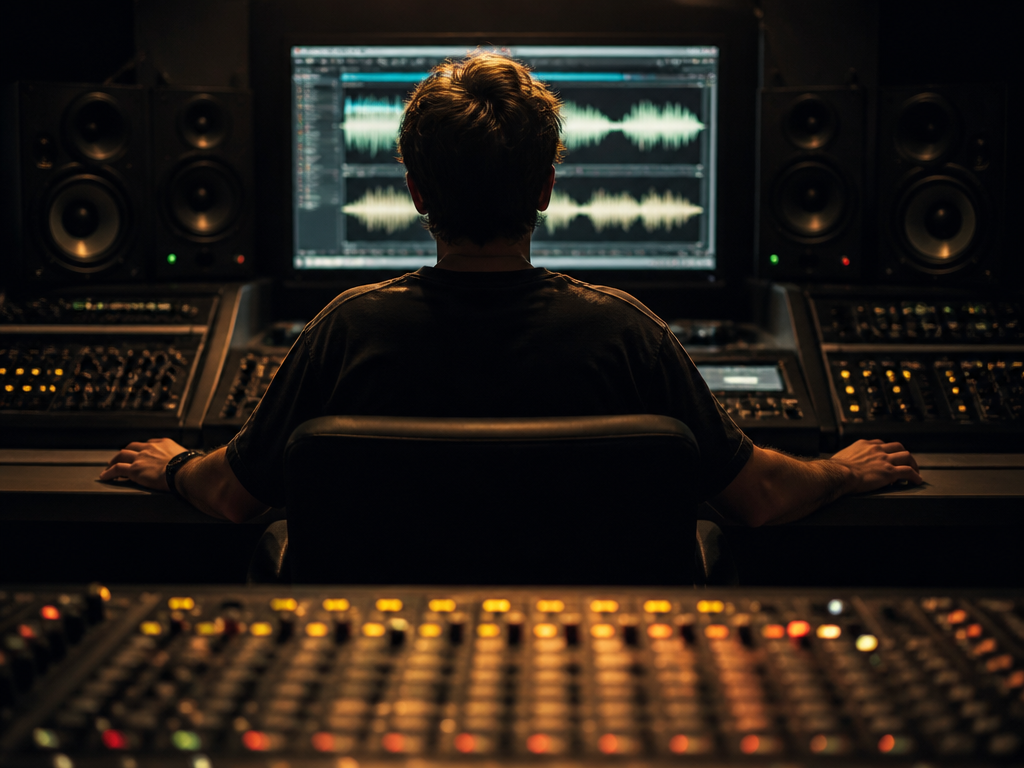
The second crack is harder for a manager to hear. The thing these productions want to buy is frequently not your artist's catalog. It is mood-tagged, pre-cleared, instrumental-forward material that a music supervisor or even an automated editor can drop in by emotional category — tension, heartbreak, smug-villain-entrance — without a phone call.
Your prestige single, with its identifiable vocal and its release-window politics, is a worse fit than a folder of forty cleared instrumental beds at 80–120 BPM in minor keys. That reframes the opportunity. The artists best positioned here are not pitching their hero record; they are spinning up production-music style catalogs — alt versions, instrumentals, stems, bespoke commissions — that solve the supply problem at scale. If you want machine-clearable beds without sample-clearance headaches, that is also where tools like City of Punk's render-and-license workflow earn their keep — but the strategic point stands whether you build that library by hand or generate it.
Where it cracks: the cameo is marketing, not money
The third crack is the part of the advice that name-drops the artist-appearance play — the cameo, the in-fiction performance, the "from the show" track. Those exist, and a handful have worked. But an artist appearance in a micro-drama is a marketing channel, and it pays like one: in exposure to that platform's audience, not in a licensing check.
So the only real question is whether that platform's audience overlaps your artist's. Several of the biggest micro-drama platforms skew toward audiences and regions that may have nothing to do with where your artist is trying to grow. A cameo in front of the wrong crowd is a content unit, not a campaign. Run the overlap before you run the press release.
The honest version of the rule
Strip the FOMO out and the rule reads less like a land-grab and more like inventory management:
Build cleared, mood-tagged, instrumental-forward music that a fast production can license without a phone call — and pitch that, not your hero single, into formats that buy on volume.
That is defensible. It survives the format cooling off, because cleared functional music is useful everywhere. It does not depend on a single platform staying hot. And it never confuses a volume license with a discovery moment.
What they buy vs. what you're pitching
| You're probably pitching | They're actually buying |
|---|---|
| The hero single, full vocal | Instrumental beds, mood-tagged |
| One prestige placement | A folder of forty, ready now |
| A sync that drives streams | A flat fee, no discovery promise |
| Release-window exclusivity | Cleared, no-phone-call licensing |
| An artist cameo for revenue | An artist cameo for audience reach |
Try this week
Pick one act on your roster with an instrumental-friendly catalog. Pull four to six cues — tension, romance, betrayal, triumph — render or export clean instrumental versions, normalize to broadcast-ish levels, and tag each with BPM, key, and a one-word mood. Drop them in a single shareable folder with the licensing terms written in plain language at the top. That folder, not a deck, is the thing a micro-drama producer can say yes to before lunch.
Get in early on being easy to say yes to — that is the part of the advice worth keeping.
Not sure which tool to use?
Compare the top AI music and sound tools side by side — honest reviews, real pricing, no sponsorships.