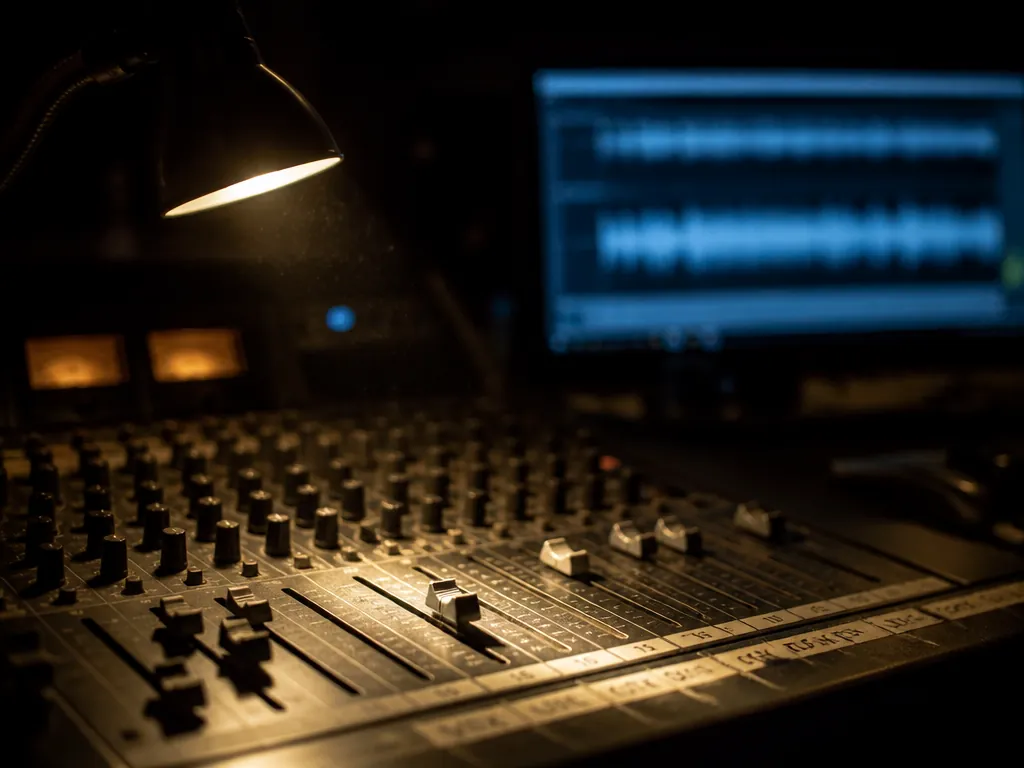
Last month a client sent me a phone recording of a fan chant from a stadium show and asked whether I could clean it up into a crowd bed for a promo edit. Standard request. Before I touched the EQ I did what I always do with field audio I didn't capture myself: I opened the file's metadata. Buried in the EXIF-adjacent junk of the video it was ripped from was a GPS coordinate, a timestamp, and a device string. Someone had filmed the artists, geotagged the moment down to a few meters, and uploaded it without stripping a thing. That single file was, technically, a location log.
That is where any honest conversation about K-pop industry ethics has to start now — not with abstractions about "toxic fandom," but with the specific, machine-readable fact that a phone in a crowd is a tracking device, and the footage it produces travels with coordinates attached. The business has spent two years catching up to that reality, and the catching-up is now visible in enforcement notices, legal filings, and dedicated reporting portals.
What the CORTIS case actually documented
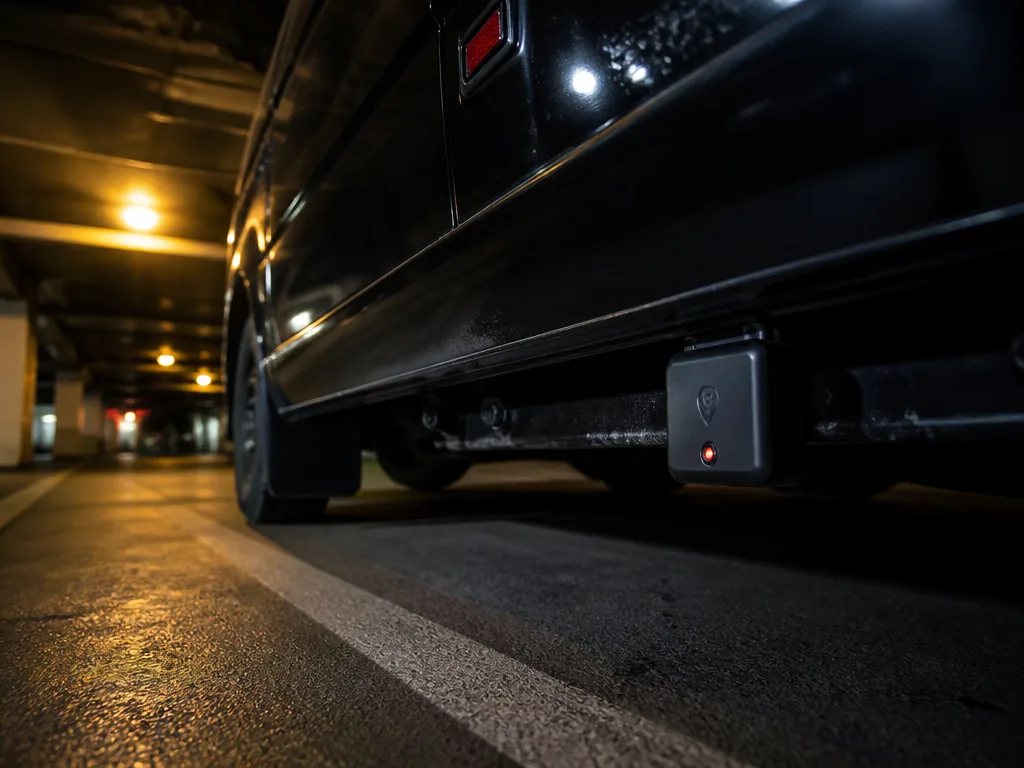
The clearest recent example came when BIGHIT MUSIC issued a public enforcement notice concerning conduct targeting its group CORTIS. The label described fans attaching small GPS devices to vehicles carrying members during a trip abroad, and using driver and vehicle details to track their movements in real time. It described separate criminal matters involving accounts that had illegally sold the members' flight information — turning a private itinerary into a purchasable product. It described manipulated and sexualized content generated and circulated without consent.
Read those three items in order and you can see the shape of the problem. A geotagged fan-cam is passive surveillance. A tracker bolted to a van is active, physical pursuit. A market in sold flight data is surveillance as a supply chain. And synthetic sexual content is a separate category of harm that no privacy setting prevents. The label's notice stacked them together because, in practice, the same accounts often move across all four.
Concrete harm before abstract category
The reason this reporting matters to anyone analyzing the K-pop business is that it replaced a vague category — "fan harassment" — with things you can file a police report about. That shift is the story. For years, labels absorbed intrusion as a cost of the parasocial model: proximity was the product, and the fan economy ran on the feeling of access. Once the harms became documentable — devices with serial numbers, transaction records for sold data, forensically traceable synthetic media — the calculus changed. Documentable harm is enforceable harm.
If you cover artist welfare, the useful question is no longer "are fans crossing a line." It is: which harms has a given label chosen to document, and which enforcement mechanism is it pointing them toward. Those two choices tell you more about a company's actual posture than any values statement.
The enforcement stack labels are building
What's emerging across the major Korean labels is a fairly consistent operational stack, even when the public language differs:
- A reporting channel. A dedicated portal or email address where fans and staff submit evidence of intrusion, sale of private data, or manipulated content.
- A triage posture. Public commitments to pursue criminal complaints for the severe categories — physical tracking, data trafficking, sexual deepfakes — rather than settle quietly.
- Takedown operations. Coordinated requests to platforms to remove unauthorized recordings and synthetic content, often with monitoring vendors doing the detection.
- Documentation for prosecutors. Preserving metadata, transaction trails, and account histories in a form investigators can use.
None of this is exotic. It is closer to how a mid-sized company handles security incidents than to anything music-specific. That normalization is itself the point.
The legal frame is doing the heavy lifting
The teeth here come from data-protection law, not entertainment contracts. South Korea's Personal Information Protection Act treats location data and personal itineraries as protected personal information, and selling or trafficking it carries real exposure. Attaching a tracking device implicates statutes well beyond copyright. Non-consensual synthetic sexual imagery sits under its own tightening body of law in Korea and, increasingly, elsewhere.
For an analyst, the durable takeaway is that labels have found a legal vocabulary that scales. "Please respect the artists" is a request. "This constitutes trafficking in protected personal data and will be referred for criminal investigation" is a posture. The move from the first sentence to the second is the enforcement trend worth tracking across companies, because it changes what a fan risks and what a label can promise its talent during a signing.
What varies between labels — and why it matters to your coverage
The public framing is not uniform, and the differences are reportable. Some labels lead with the criminal-referral language and name the statute. Others emphasize the reporting portal and takedown volume. A few say very little publicly and handle intrusion through security operations you only learn about when a case surfaces in court.
When you compare them, resist grading on tone. A label that speaks softly but preserves evidence and refers cases to prosecutors is doing more protective work than one issuing strong statements with no mechanism behind them. The measurable signals — a functioning portal, disclosed takedown activity, criminal referrals that reach filing — are what separate an enforcement policy from a press release. That distinction is the through-line of any serious K-pop ethics beat.
Back to the file on my desk
I did clean up that crowd recording. But before I imported it into the session, I ran it through a metadata scrubber and logged where it came from, and I told the client I wouldn't use fan-sourced footage that still carried location data — not as a moral stance, as a liability one. If a phone in a stadium is a tracking device, then the audio I lift from it is downstream of surveillance whether I meant it to be or not.
So now every third-party file that enters my workflow gets stripped of its coordinates before it gets an EQ. That is a small operational habit, and it is exactly what this whole story looks like once you carry it into a room where the work actually gets made.
Not sure which tool to use?
Compare the top AI music and sound tools side by side — honest reviews, real pricing, no sponsorships.