Here is the question, and I think most independent Indian artists have asked some version of it at 1am after paying an annual distribution fee: does a distributor actually get you anywhere near an international stage, or are you paying twenty-something dollars a year to upload the same track everyone else uploads?
It is a fair thing to be cynical about. For a long time the honest answer, for artists working out of Bengaluru or Shillong or Pune, was "no — a distributor gets your song onto streaming platforms, and the rest is your problem." But the picture around music festivals and artist-development grants has shifted enough that the question deserves a real answer instead of a shrug. So let me answer it the way I'd want it answered: with the fine print intact and the "it depends" left in.
What a festival-grant program actually is
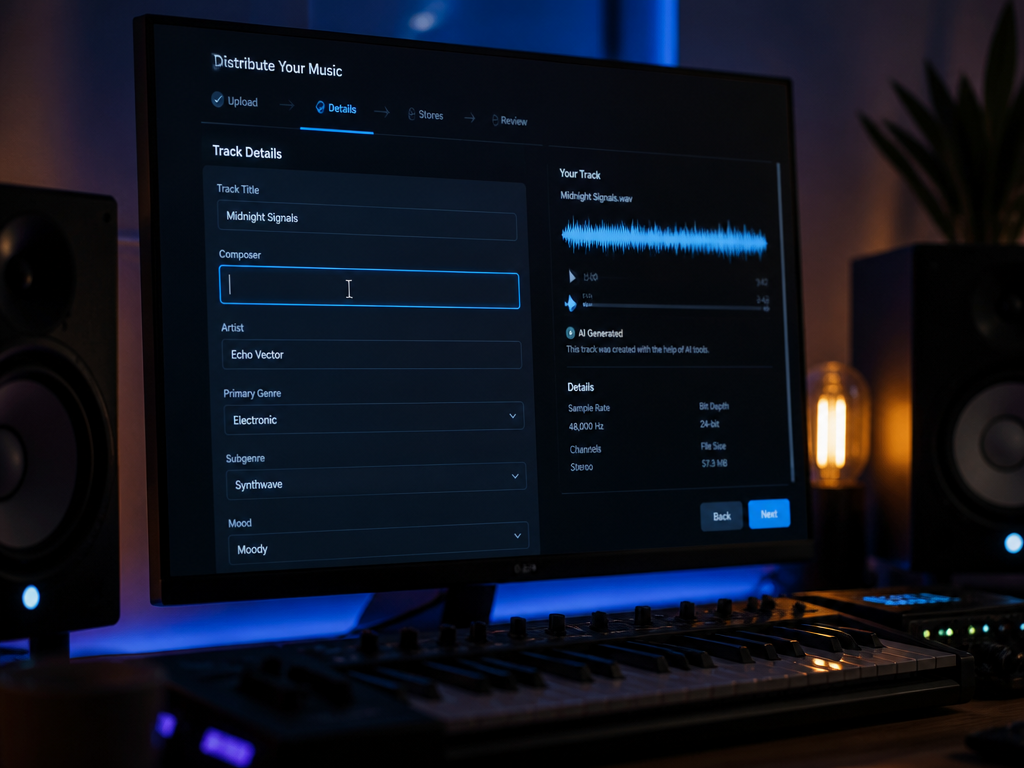
Distributors like TuneCore, DistroKid, and CD Baby all do the same core job — they push your masters to Spotify, Apple Music, YouTube, and the rest, and pass royalties back to you. That part is close to a commodity now. The differentiator some of them reach for is artist development: contests, sync opportunities, playlist pitching, and — the relevant one here — subsidized slots at regional music festivals.
The model works like this. A distributor partners with a festival, often in an emerging or adjacent market, and sponsors one or more performance slots reserved for artists on its roster. Southeast Asian showcase festivals have run exactly this kind of tie-in for years, and the program logic has more recently widened to include Indian acts who were, frankly, absent from earlier rounds. An artist applies, a small panel curates, and the winner gets a stage abroad plus some money toward getting there.
The word to hold onto is some. These grants are usually modest — think a fixed sum in the range of tens of thousands of rupees rather than a blank cheque. It covers a chunk of flights and a few nights of accommodation, not a road crew and a per diem. Historically, artists selected for these showcases had to cover the gap themselves and treat the exposure as the real payment. The shift toward a named cash grant matters because it turns "we'll put your name on a poster" into "here is airfare money" — but read it as a contribution, not a tour budget.
So does paying for distribution buy you a stage?
Short version, for the person skimming: no, distribution does not buy you a festival slot — but being on an active distribution plan is often the eligibility gate that lets you apply for one. The stage is still curated. Somebody listens and decides. What the distributor sells you is the ticket into the room where that decision gets made, plus the logistics money if you win.
That distinction is the whole thing, and it's where a lot of artists misread the offer. You are not buying a booking. You are buying candidacy — and candidacy for a subsidized international slot is genuinely worth something if your material and your live show are ready. If they aren't, no distribution plan on earth will fix that.
The fine print nobody reads until it disqualifies them
Every one of these programs runs on eligibility rules, and they are boringly specific for a reason — they keep the applicant pool to people the sponsor can actually promote. Expect some combination of the following, though exact terms vary by program and year:
- An active, paid distribution plan at the time you apply and, usually, through the festival date. Free tiers rarely qualify.
- A live catalog — released music already distributed through that platform, not demos sitting on your hard drive.
- A territory or nationality requirement — this is the part that recently opened up for Indian artists specifically.
- A hard deadline, often months before the festival, with a submission form and links to your released work.
- Availability for the dates, including whatever visa and passport lead time an international trip demands.
The visa point is not a footnote. A grant covering airfare is worthless if your passport renewal or a Schengen or ASEAN visa appointment lands after the festival. Build that timeline backward from the show date before you get emotionally invested.
The honest "it depends"

Whether this is a good deal for you comes down to a few uncomfortable questions.
Is your live set actually festival-ready? A curated international slot is a promotional bet the sponsor is making on you. If your show is three people and a laptop that hasn't left your rehearsal room, the exposure can cut both ways. Festivals reward acts that translate to a room of strangers.
Do the economics survive the gap? A token grant plus your own top-up might still cost you more than you'd make. That can be fine — treat it as marketing spend with a stage attached — but decide that on purpose, not by accident three weeks out when you're pricing last-minute flights.
Are you on the plan anyway? If you already pay for distribution because you release regularly, applying costs you a form and an afternoon. The expected value there is obviously positive. If you'd be signing up solely to become eligible, do the math on a full year of fees against one uncertain shot.
Does the festival's audience match your music? A Southeast Asian showcase built around indie, electronic, and regional crossover acts is a different room than a metal festival or a jazz series. Being the wrong act in the right country is still the wrong act.
How distribution and curation quietly connect
There's a less obvious reason distributors run these programs, and it's worth understanding because it tells you how to be selectable. Distributors sit on your streaming data — where your listeners are, which tracks are climbing, whether a song is being saved or skipped. When a panel curates a subsidized slot, that data is part of the case for or against you. An artist with a track quietly gaining traction in the festival's home region is a more defensible pick than one with flat numbers everywhere.
You can't fake this, but you can lean into it. If a program targets a specific region, artists who already have listeners there — even small numbers — read as lower-risk. That is not a trick; it is the honest signal these panels look for.
What to do this week if you want a real shot
If the question brought you this far, here's the concrete version:
- Confirm your plan status. Log in and check that your distribution plan is active and paid through the likely festival window. If you're on a free tier, note whether the program requires a paid one.
- Audit your live catalog. Make sure your best three tracks are properly released, credited, and findable — not stuck in "pending."
- Find the actual program page, not a forum rumor. Terms, grant amounts, and eligible territories change year to year; read the current call, including the deadline.
- Check your travel documents now. Passport validity, blank pages, and visa lead time for the host country. Do this before you apply, not after you win.
- Submit with your regional data in mind. Link the tracks and profiles that show any traction near the festival's home market.
You should hear back on a timeline the program states — and if it doesn't state one, treat that as information about how organized the whole thing is.
The wider landscape
TuneCore's festival tie-ins are the clearest example, but they're not the only path. Independent music export offices, embassy cultural programs, and festival-run open calls all offer subsidized international slots, sometimes with more money attached and no distribution requirement at all. If you're not tied to one platform, cast wider. The distributor route is convenient precisely when you're already paying for distribution and the eligibility gate is a door you've already walked through.
For a working musician, the real value here is unglamorous: a legitimate, curated shot at an international stage with part of the airfare covered, contingent on you being ready to take it.
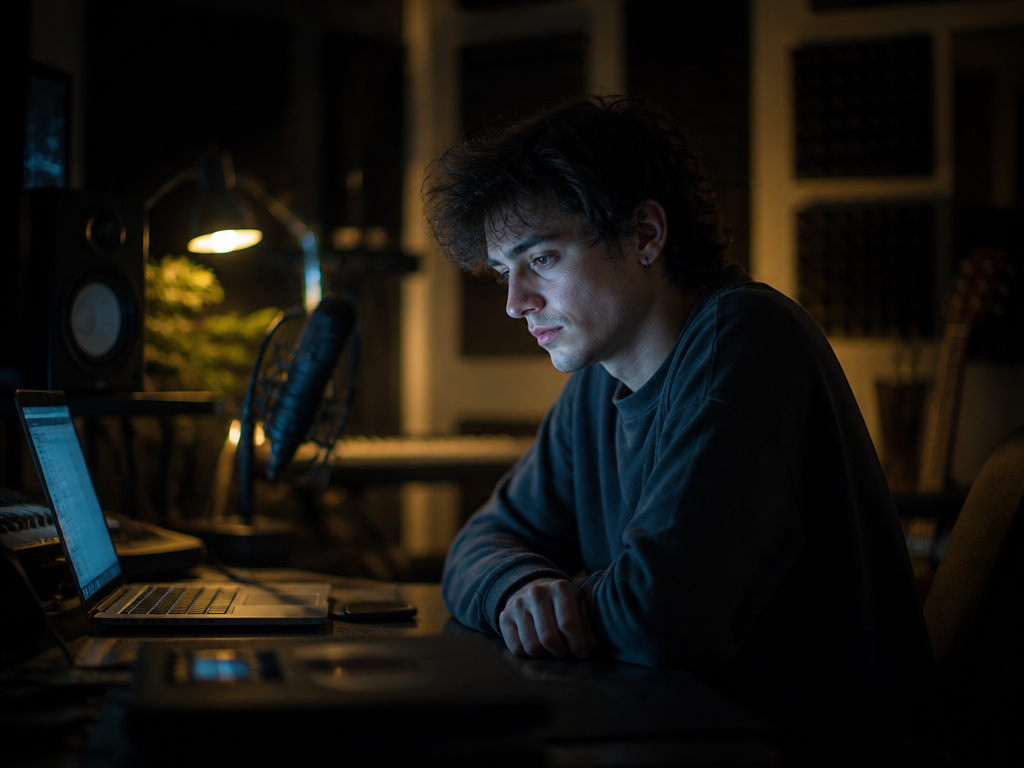
I scored games for a decade before I ever played a note outside the country, and the first international slot I said yes to lost me money — a flight I half-covered, a hotel that ate the grant, a forty-minute set to two hundred strangers who had never heard of me. I'd do it again tomorrow, and I keep my distribution plan active for exactly that reason: not for the streaming pennies, but because it's the cheapest ticket I know into rooms where somebody else is deciding whether to bet on me.
Not sure which tool to use?
Compare the top AI music and sound tools side by side — honest reviews, real pricing, no sponsorships.