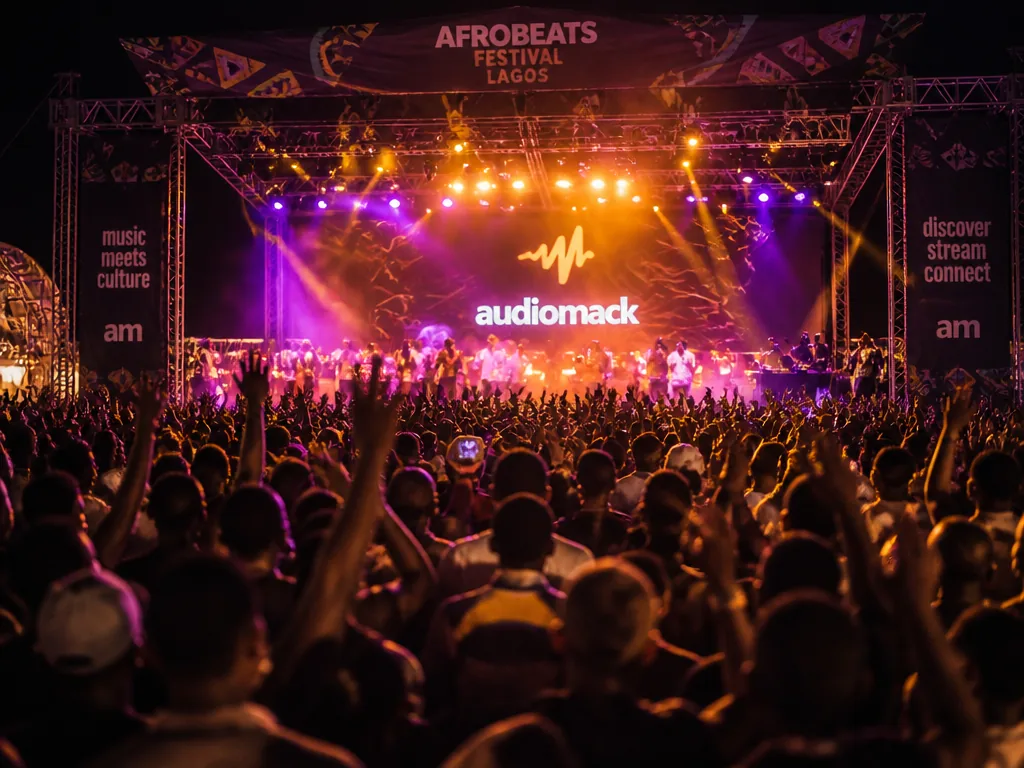
A festival stage in Lagos, a DSP logo on the backdrop, and a press line about "investing in the sound of a generation." The easy read is that the platform bought the moment. The harder question — the one an investor tracking emerging-market consolidation actually needs answered — is what that logo cost, what it returns, and whether any of it reaches the artist's bank account in a currency that holds its value.
The reframe worth starting with: when the noise around Spotify partnerships in African markets first surfaced, a fair amount of it read as though the platform were chasing live rights — the kind of exclusive livestream and event-capture deals that video-first players have used to fence off marquee moments. That is not, on the evidence of the announced moves, the primary play. The play is presence: sponsorship, curation, and being the branded surface on which Afrobeats gets discovered. Those are different bets with different economics, and conflating them is where analysis goes wrong.
Disclosure up front: City of Punk makes a neural music-generation tool, which puts us adjacent to the streaming economy without a horse in the DSP consolidation race. We do not sell streams, license catalogs, or run festivals. Treat this as an outside read of a market we watch closely, not a pitch.
The question you've actually been asking
Strip away the announcements and the investor question underneath is narrow: when a streaming platform sponsors an Afrobeats festival or launches a regional hub, is it buying cultural authority or is it buying artist income?
The honest one-sentence answer: it is buying authority far more cheaply than it is buying payouts, and the durability of your thesis depends entirely on not confusing the two.
Cultural authority is a marketing line item. It shows up as brand affinity, editorial credibility, and first-look positioning with a generation of listeners who will still be listening in 2035. Artist income is a royalty mechanic governed by streams, per-stream rates, subscriber mix, and — the variable that quietly eats everything in emerging markets — the exchange rate at which local earnings convert. A platform can dominate the first and move the second only modestly, and both statements can be true in the same quarter.
Sponsorship is not a live-rights play
It's worth being precise about the comparison, because the two strategies diverge on where the money and the moat sit.
A live-rights strategy — the shape video-first platforms have leaned into — buys exclusivity over the event itself: the livestream, the capture, the highlight reel. It is capital-intensive, it competes directly with promoters and broadcasters, and its return is measured in watch-time and rights defensibility.
A sponsorship-and-curation strategy buys association, not exclusivity. The platform is a partner on the backdrop and a curator of the playlist, but it does not own the night. That is cheaper, lower-risk, and — crucially for the analyst — far less measurable. You can count livestream viewers. You cannot cleanly count how much a festival logo moved a market's paid-subscriber conversion.
So the first correction to make in any model: the observed moves in African markets look like brand and discovery spend, not rights acquisition. Cheaper to enter, harder to defend, and easy to overstate.
The pattern, not the one-off
A single festival deal is a headline. What matters to a consolidation thesis is whether the moves stack into a coordinated regional posture. On the evidence, they tend to:
- Localized launches and market entries that put the product in-language and in-market rather than exporting a Western template.
- Curated flagship playlists built around Afrobeats and its subgenres, which function as the discovery rail and the primary artist-development lever.
- Physical activations — pop-ups, listening spaces, artist events — that convert brand spend into on-the-ground visibility.
- Podcast and creator investment that widens the content surface beyond music into the broader attention economy.
- Festival and event sponsorships that sit on top as the visible cultural signal.
Read individually, each is modest. Read together, they describe a platform trying to be the default surface for a regional sound before a competitor claims that position. That is a real strategy, and it is worth tracking. It is not the same as a strategy that materially reshapes artist earnings, and the numbers are where those two get separated.
The reality check, and where it becomes "it depends"
Here is where a disciplined analyst slows down.
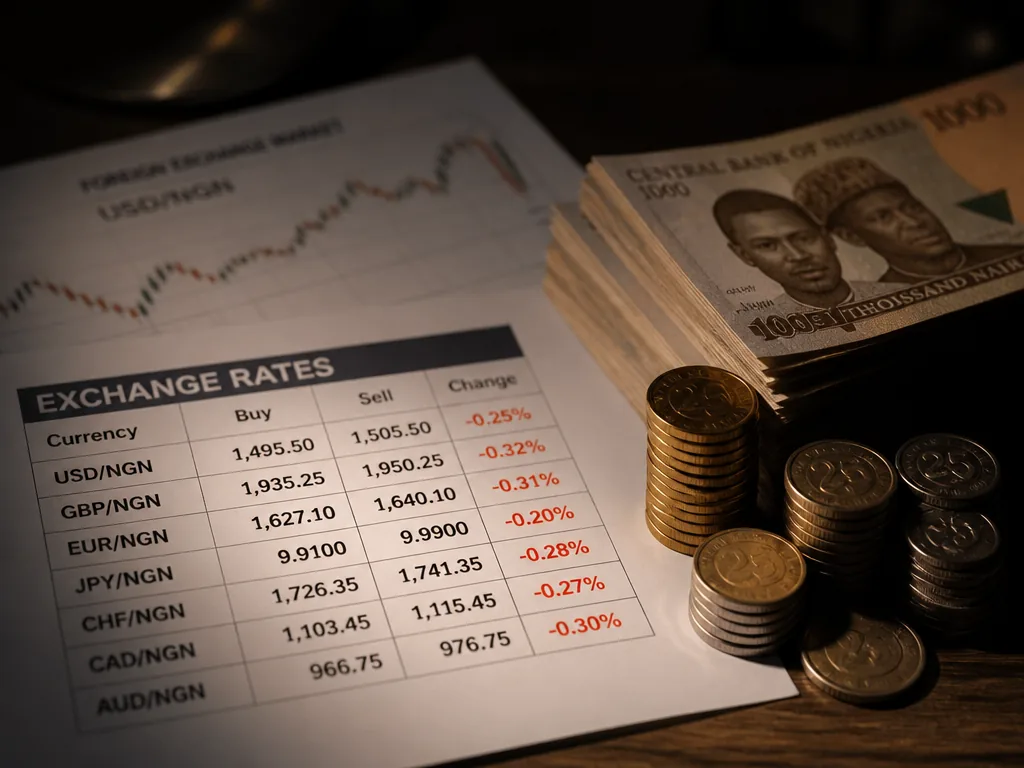
Platforms publish payout growth figures for regional markets, and those figures are frequently real and frequently up. The problem is the denominator. A double-digit rise in local-currency royalties can mask a flat or falling number in dollar terms once you apply the depreciation that markets like Nigeria have absorbed. A payout that grows in naira while the naira loses value against the dollar is a smaller payout to anyone converting to import equipment, pay international collaborators, or bank abroad. Any royalty-growth claim in these markets is meaningless without the FX caveat attached. Report the local figure and the converted figure, or report neither.
Second reality check: the revenue split. Third-party industry reporting has repeatedly shown that in developing music markets, live performance still dwarfs recorded-streaming revenue for the majority of working artists. Streaming delivers reach and discovery; touring, festivals, and brand deals deliver the income. This is why the sponsorship logo and the payout headline are two separate stories — the platform's cultural presence is amplified at the very events where the artist earns most of their money from somewhere other than the platform.
So does streaming income matter to an Afrobeats artist's career? It depends on:
- Catalog ownership. An artist who owns masters captures a different share than one signed into a legacy deal, regardless of platform payout rates.
- Subscriber mix in the market. Ad-supported-heavy markets generate lower per-stream economics than paid-heavy ones, and emerging markets skew toward the former.
- Where the streams originate. A Nigerian artist with a diaspora audience streaming from higher-ARPU markets earns differently than one whose plays are almost entirely domestic.
- FX at the moment of payout. Timing and currency can swing the real value more than a rate change.
None of those "it depends" answers are hedges. They are the actual variables, and a model that ignores them will overstate what platform partnerships do for artist income.
How I'd decide, as an analyst
If you are underwriting a thesis about DSP competition for regional cultural authority, weigh these, in this order:
- Cultural-authority signal — is the platform accumulating durable first-look positioning with a young, loyal audience? Sponsorship and curation buy this. Grade it high on strategic value, low on measurability.
- Payout reality, FX-adjusted — always convert. A growth claim without the currency line is a marketing artifact.
- Live-vs-streaming split — model the artist economy as touring-first with streaming as discovery, not the other way around.
- Defensibility — sponsorship is cheap and copyable. Whoever spends more next year can buy the same backdrop. Live rights are stickier; curation relationships are moderately sticky.
- Who this is wrong for — anyone treating a festival deal as evidence that streaming payouts have caught up to live income. They have not.
Who should track this, who can skip it
Track it closely if you are modeling platform market-share capture in emerging markets, where being the default discovery surface compounds over a decade. The authority play is real and worth pricing.
You can largely skip the festival-announcement cycle if your thesis is artist earnings. There, the movers are catalog ownership, touring economics, brand endorsements, and the exchange rate — not which logo was on which stage.
Back to the logo on the backdrop
Return to that stage in Lagos. The logo cost the platform a marketing line and bought it something genuine: association with a sound the world is still discovering, and a foothold with listeners who will define the market for years. What it did not buy — and what the payout press release quietly leans on you not to check — is a meaningful shift in what the artist takes home, once you convert the naira and remember that the night's real revenue came from the gate, not the stream. The presence is worth pricing. The payout is worth converting. Do both before you decide how serious the bet is.
Not sure which tool to use?
Compare the top AI music and sound tools side by side — honest reviews, real pricing, no sponsorships.