You have heard the obituary by now. Mid-tier acts pulling tours mid-routing, club promoters underwater, a venue circuit that can't make rent between the 800-cap room and the 4,000-cap theater. The narrative writes itself: live music, post-pandemic sugar high spent, is sliding into a slow contraction. And concert tour revenue, the story goes, is the canary — the first number to wobble when discretionary spending tightens.
Half of that is true. The other half is the most expensive misread in the business right now.
Because at the same moment the mid-tier is genuinely struggling, the top of the market is posting grosses that would have looked like typos a decade ago. Both things are happening. The error is averaging them.
The myth a smart analyst has actually heard
Here is the version that circulates in earnings-call paraphrase and trade-press shorthand: touring is mean-reverting after a demand bubble, so expect softening across the board. It is a tidy thesis. It treats the live sector as one market with one trendline, and it predicts a gentle, universal cooling.
The data does not cool universally. It forks.
What the top of the market is actually doing
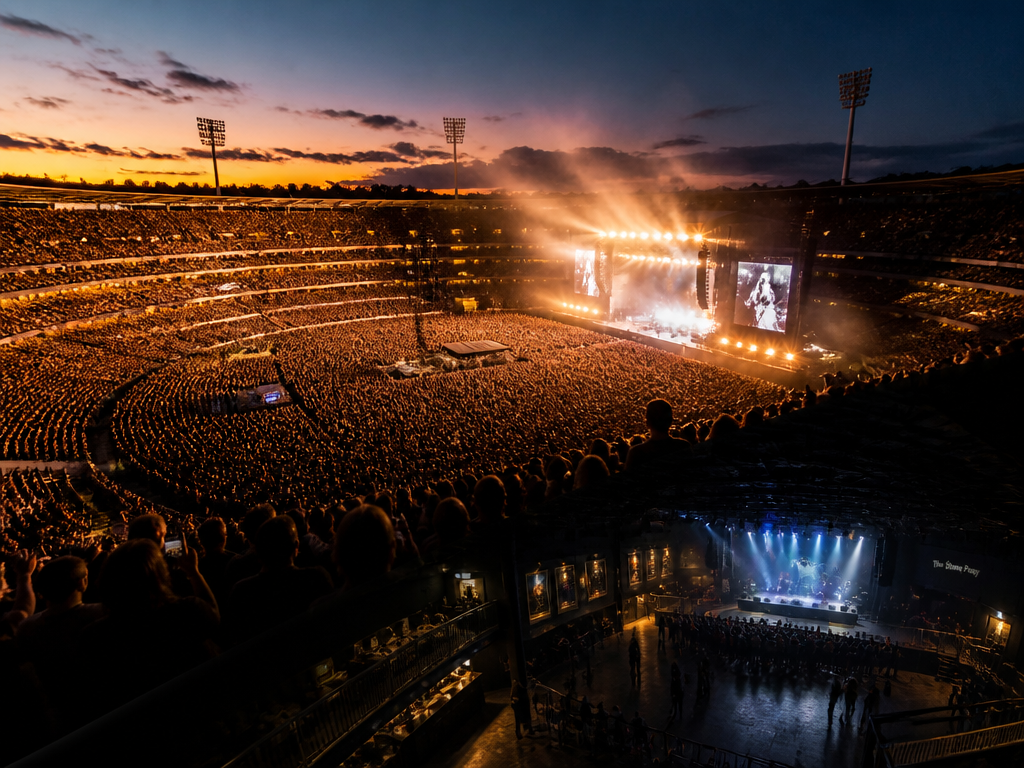
Look at the stadium tier and the picture is not contraction — it is concentration of strength. A single artist routing a global stadium run can now clear hundreds of millions of dollars across a calendar year, with multi-leg tours accumulating grosses well past the billion-dollar mark over their lifespan. These are not anomalies anymore; they are a recurring category. The biggest tours of recent cycles each individually out-grossed the entire annual box office of mid-sized touring markets.
The mechanics behind those numbers are worth naming precisely, because "the megastar is popular" explains almost nothing:
- Stadium economics scale non-linearly. Moving from arenas (15–20k) to stadiums (50–70k) roughly triples the per-night gross while many production costs grow far slower. The marginal seat is close to pure margin.
- Dynamic and tiered pricing captures the top of the demand curve. Platinum and front-of-house pricing now does what scalpers used to do, and the promoter keeps it. A single tour can lift its average ticket yield 20–40 percent over face without adding a date.
- Ancillary revenue stacks. VIP packages, merch with its own supply chain, sponsorship integration, content rights, residency-style multi-night holds in one building that kill travel costs. The headline gross undercounts the actual take.
- The tour as financial instrument. A confirmed mega-routing de-risks an entire promoter's year. Live Nation and AEG can absorb a soft summer at the shed level if two or three stadium runs anchor the books.
There is even a structural-credibility layer now: per-ticket charitable contributions baked into the tour at the £1 / €1 / $1 level, totaling eight figures over a run. It reads as goodwill, but note what it actually signals — a tour large enough that a per-ticket micro-levy adds up to real money, and organized enough to administer it. That is a flex disguised as philanthropy, and it is data-backed, which is why it lands.
The same dataset shows the rot
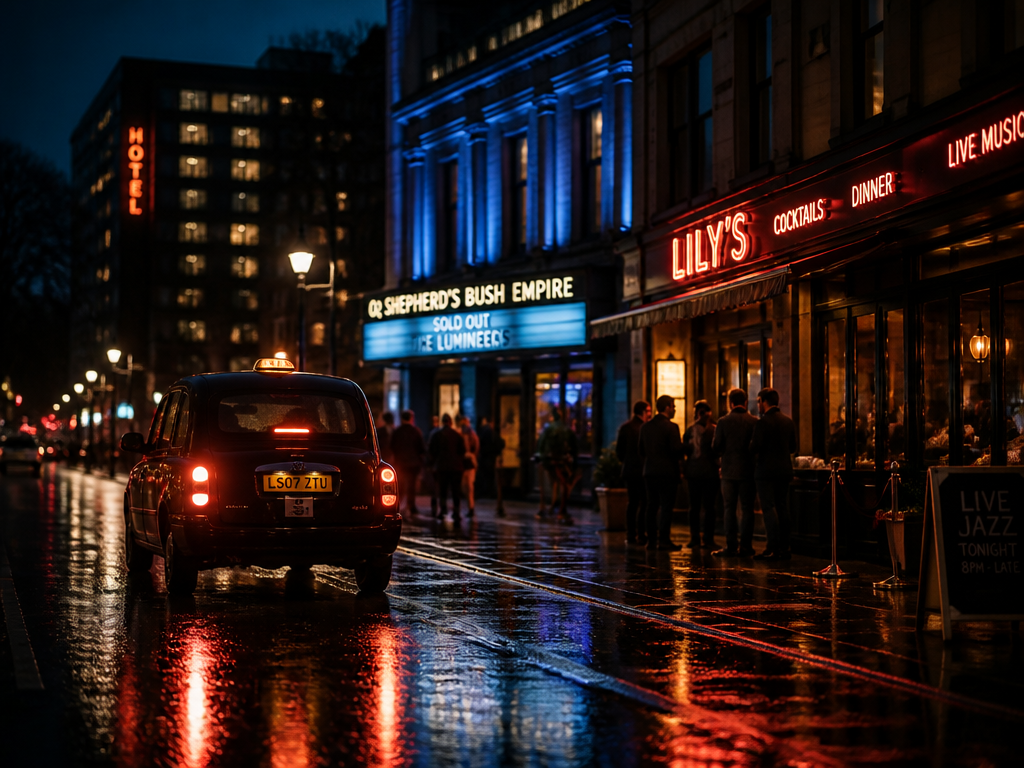
Now run the other half. The acts that historically filled the middle — theaters, 2,000 to 6,000 caps, the developing headliner who used to graduate from clubs to sheds over three album cycles — are getting squeezed from both ends.
Production costs that scale gracefully for a stadium are brutal at mid-scale: trucking, crew, insurance, and fuel rose on a fixed base that a 3,000-cap gross cannot easily absorb. Guarantees got bid up during the post-reopening land grab and never fully reset. And the audience's discretionary live-music budget increasingly gets spent in one go on the one stadium ticket they will not miss, leaving less for the three theater shows they used to take a flier on.
So the distribution is no longer a bell curve with a fattening top. It is bimodal. A tall spike at the very top, a thinning middle, and a club-level scene that survives on margins too thin to show up in aggregate revenue reports at all.
Why the average will lie to you
This is the reporting trap, and it is a clean one. If you cover total concert tour revenue as a single sector figure, the top spike can hold the headline number flat or even growing while the middle hollows out underneath it. You will write "live music revenue stable year over year" and be technically correct and substantively wrong. The mean is being propped up by a handful of routings that have nothing in common, economically, with the tours that are dying.
A useful frame: this is a K-shaped market wearing a flat-line costume.
What to track instead of the aggregate:
| Metric | What it actually tells you |
|---|---|
| Top-decile tour gross share | How concentrated the money is. If the top 1–2% of tours take a rising share, the middle is hollowing regardless of total. |
| Mid-tier date count (2k–6k cap) | Volume here is the real health signal. Cancellations and shortened routings show up before revenue does. |
| Average ticket yield vs. face | Separates "more demand" from "more pricing." A flat sector gross on rising yield means fewer tickets sold. |
| Secondary-market spread | Wide spreads at the top, collapsing spreads in the middle, confirm the fork. |
Read those four together and the "gentle universal cooling" thesis falls apart on contact.
The honest takeaway
None of this means the bears are wrong about the middle. They are right, and the pain is real — for developing artists, for independent promoters, for the rooms that turn a local act into a touring one. That pipeline is where next decade's stadium grosses are supposed to come from, and it is the part of the system under the most stress.
What they are wrong about is the shape. "The sector is contracting" is a sentence that fits a normal distribution. The live business stopped being one of those. The money did not leave the room — it walked to the front and sat in the platinum seats, and the cheap sections in the back emptied out while the headline number barely moved.
If you cover this beat, retire the aggregate. It is the one number guaranteed to mislead.
Concert tour revenue isn't shrinking. It's choosing sides.
Not sure which tool to use?
Compare the top AI music and sound tools side by side — honest reviews, real pricing, no sponsorships.