The advice rights-holders run on is simple enough to fit on a notecard: assemble a catalog, document the unlicensed use, attach a damages figure large enough to command attention, and the platform comes to the table. A nine-figure number on a complaint is a forcing function. It says: settle, because litigating this is more expensive than paying us.
That notecard is the working theory behind a large share of music licensing disputes, and it is not wrong. But a complaint is the start of a conversation a defendant gets to answer, and the most instructive thing a rights-holder strategist can study is not the press release announcing the suit — it is the motion to dismiss that lands four months later. Because that filing is where a defendant's lawyers do something specific: they take the moral framing of "you used our songs, pay us" and translate it back into the procedural questions a court actually rules on first. Standing. Pleading specificity. Whether the bolt-on claims survive contact with a judge. The number on the cover page does not answer any of those.
This piece walks the defensive playbook — the one Meta and platforms of its size run when a publisher comes knocking — and shows where the notecard advice holds and where it quietly falls apart.
Where the leverage theory is roughly right
Start with the part that works, because it genuinely does.
A publisher with a registered catalog and a documented period of unlicensed use is not bluffing about statutory damages. The framework is real, the multiplier across hundreds of works is real, and the litigation cost asymmetry is real enough that platforms settle constituent disputes constantly without anyone outside the deal teams ever hearing about it. When a negotiation breaks down — a license lapses, a renewal stalls, a catalog gets pulled from a product — the rights-holder's strongest moment is often the filing itself, before any motion practice narrows things.
So the first half of the notecard survives scrutiny. Catalogs are leverage. Documented use is leverage. A credible damages exposure brings counterparties back to the table. If the story ended there, the strategy officer's job would be procurement, not litigation forecasting.
It doesn't end there.
Where it breaks down: standing is a door, not a formality
The first thing a serious defendant attacks is rarely the conduct. It is whether the plaintiff is even the right party to complain about it.
In music, ownership is layered. A publisher may administer a work, hold an exclusive license to some rights and not others, or represent songwriters whose grants carry carve-outs the complaint never mentions. A defendant's motion will go straight at this seam: which of these specific works does the plaintiff hold an exclusive right to enforce, and for which of them is it merely an administrator or non-exclusive licensee with no standing to sue at all? The distinction is not a technicality the court tolerates getting wrong. A non-exclusive licensee generally cannot bring an infringement claim, full stop, no matter how sympathetic the underlying grievance.
This is why a complaint that gestures at a thousand-plus affected works can shrink, under a motion to dismiss, to the few hundred the plaintiff can cleanly demonstrate exclusive control over. The gap between those two numbers is the gap between the headline figure and the litigable case. A strategist reading the docket should track it like a stock price.
Where it breaks down: the court wants works, not numbers
The second pressure point is pleading specificity, and it is where the big round number turns against the plaintiff.
Direct infringement requires the plaintiff to identify the works and the infringing acts with enough particularity that the defendant can answer. "More than a thousand compositions were exploited" is a damages narrative. It is not, by itself, an adequately pleaded claim for each of those thousand works. Defendants exploit this relentlessly: the motion will concede that some named works are plausibly pleaded while arguing that the sweeping aggregate count is unsupported padding designed to inflate exposure.
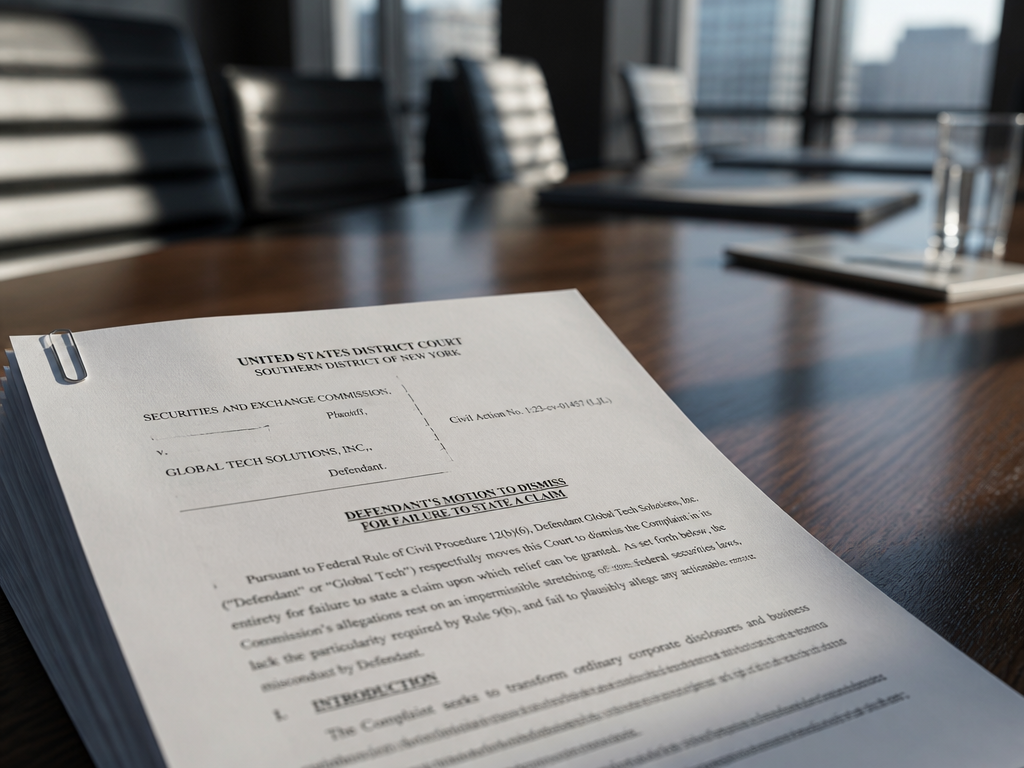
Contributory infringement — the theory that the platform enabled users to infringe — invites a parallel attack. The defendant demands the specific underlying direct infringements, the knowledge, and the material contribution, and argues that a complaint built on platform-scale generalities pleads none of them with the required specificity. The move is consistent across these cases: separate the works that are actually pleaded from the volume cited for leverage, then ask the court to dismiss the difference.
Where it breaks down: the bolt-on claims that signal posture
Watch for what a complaint pleads beyond infringement, because defendants read it as a tell.
When a copyright suit arrives carrying defamation and tortious-interference claims, a sophisticated defendant frames those additions as evidence the plaintiff is litigating a negotiation rather than a wrong — that the extra counts exist to raise the temperature and the cost, not because they state viable causes of action. Tortious interference in particular demands a specific contract or expectancy the defendant knowingly disrupted; a single conclusory example tends not to survive. The defense motion will isolate these claims, show they rest on thin or internally conflicting allegations, and use their weakness to color the whole filing as a posture rather than a case.
Whether a judge buys that characterization is its own question. But the strategist's lesson is durable: every claim you add to gain leverage is a claim the other side gets to attack, and a dismissed bolt-on count makes the surviving infringement claim look smaller by contrast.
The wildcard the routine frame can't absorb
There is one allegation that does not fit neatly into the standing-and-pleading machinery, and rights-holders are increasingly putting it front and center: that the platform's interest in the catalog is no longer about playback at all, but about training or feeding AI systems that generate competing music — that the licensed works are being used to build the thing that replaces them.
This is a different kind of claim. It is not a metered-use dispute that resolves into a rate. It goes to whether a category of exploitation was ever licensed, contemplated, or compensable under existing grants — and the law underneath it is unsettled enough that no motion to dismiss disposes of it cleanly. A defendant will still try, arguing the allegation is speculative or unpleaded. But this is the count that converts a "routine" rate fight into something a court cannot wave through on the threshold, and it is why the next wave of these disputes will not look like the last one. Rights-holders who treat the AI-substitution theory as rhetorical garnish are misreading where the real contested ground is moving.
The honest version of the rule
So here is the notecard, rewritten for someone who has read the motions:
- A catalog plus documented use plus a number gets you a seat at the table. It does not get you a finding.
- The number on the complaint is a negotiating position. The number that matters is how many works survive the standing and specificity attacks.
- Every leverage claim you bolt on is a target. Plead what you can prove with particularity; the aggregate count is for the press, and the press doesn't rule on motions.
- The substantive fight — the one the defense playbook can't reduce to a procedural defect — is increasingly about uses no existing license ever priced.
A defendant's whole strategy is to take the question the rights-holder wants answered — did you owe us? — and replace it with the questions a judge answers first: are you the right plaintiff, did you plead it, and does the extra stuff belong here?
Which brings us back to the figure on the cover page. That nine-figure demand was never a measurement of harm. It was an opening bid, and the defense playbook exists to find out how much of it the plaintiff can actually carry past the threshold — sometimes the full catalog, often a fraction of it, and the difference between those two outcomes is decided long before anyone argues what a stream is worth.
Not sure which tool to use?
Compare the top AI music and sound tools side by side — honest reviews, real pricing, no sponsorships.