A label A&R I know spent last quarter obsessing over a mid-six-figure playlist push and never once opened a Twitch stream. Meanwhile the League of Legends World Championship anthem — a song most of that label's staff couldn't name — got looped in front of tens of millions of people who will hum it for a decade. That gap is the story. If you read Gen-Z audience demographics only through streaming dashboards, you are reading half the room, because a very large share of that generation now spends its attention inside gaming and esports, and music is the thing they most want to consume alongside it.
The reported numbers move around depending on whose research you cite, but the direction has been consistent for years: hundreds of millions of Gen-Z viewers globally engage with competitive gaming, and when surveys ask what non-gaming content those fans care about, music sits at or near the top. That is the whole opportunity in one sentence. The harder question — the one worth your time — is which door you walk through, because sponsorship, live festival crossover, and sync licensing are three completely different businesses wearing the same jersey.
Why is music the top non-gaming interest for esports fans?
Because the format demands it. An esports broadcast is hours of tension broken by dead air — draft phases, technical pauses, the ninety seconds between matches. That negative space gets filled with music the way a film gets scored, so fans experience competitive gaming and a soundtrack as a single object. They also skew young, chronically online, and identity-forward: the artists in a stream's rotation become tribal markers, not background. Music is not adjacent to this audience. It is load-bearing.
That is the appeal. Now temper it. This audience is fragmented across Twitch, YouTube, regional platforms, and short-form clips, and it does not behave like a Spotify follower. A viewer who screams your track during a grand final may never save it. Reach here is real; attribution is slippery. Keep that in mind while we weigh the three lanes.
The three pathways, against criteria that matter to a rights holder
I'm judging each on five things you actually answer to: cost of entry, durability of the exposure, how much rights control you keep, whether you can measure the result, and speed to activation.
Sponsorship and brand activation
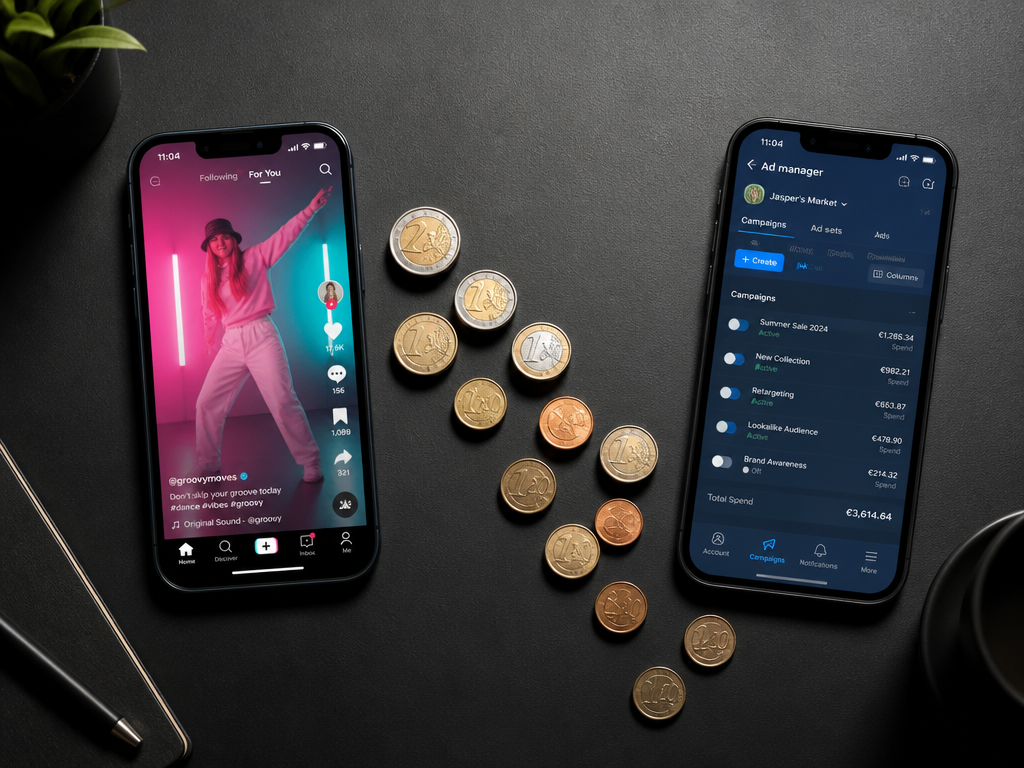
This is the loud lane — your artist's name on a team jersey, a track soundtracking a tournament trailer, a branded in-game moment. Cost of entry is high and negotiated per deal; you are effectively renting attention from an org or publisher that owns the audience. Durability is poor: the activation lives and dies with the event, and when the sponsorship ends, the association evaporates. You keep less rights control than you'd like, because the buyer usually wants broad usage across their channels.
What sponsorship buys you is velocity and prestige. If you have a release window and a marketing budget and you need a Gen-Z spike in six weeks, a well-placed tournament tie-in can deliver a genuine surge. Measurability is middling — you'll get impressions and clip counts, rarely clean conversion. Treat it like a billboard in a stadium: enormous, expensive, gone when they take it down.
Festival and live crossover
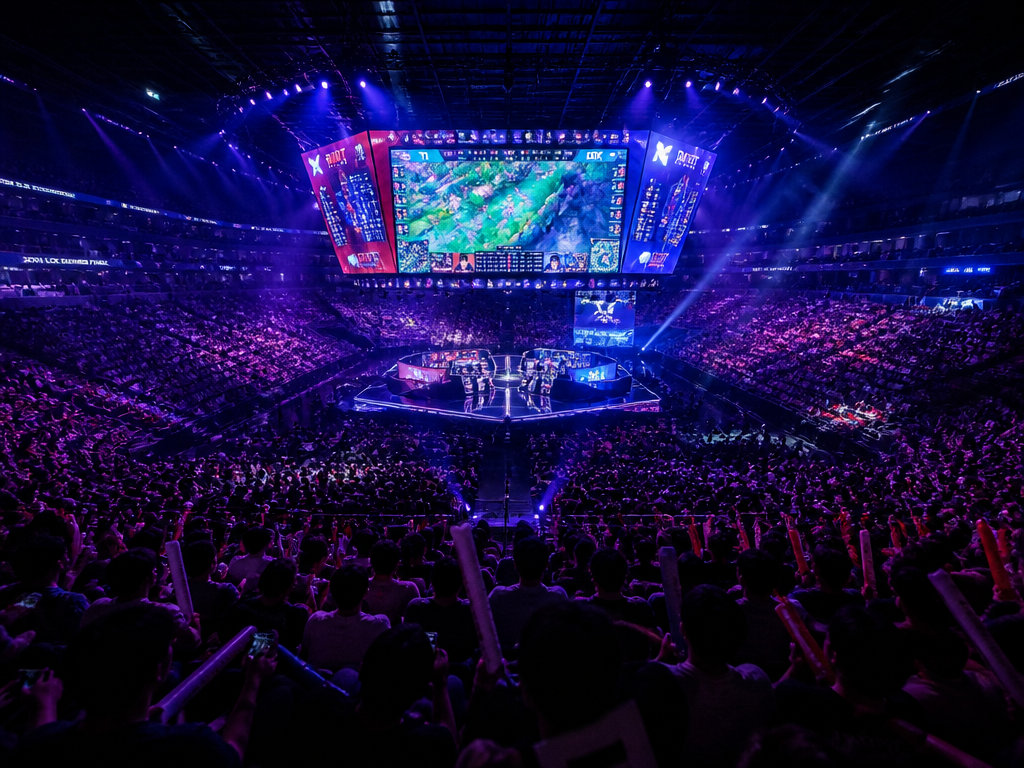
Esports orgs and publishers increasingly run live events that blur into music festivals — arena finals with headline sets, dedicated concert stages, in-game virtual concerts. For a rights holder or artist manager, this is the most emotionally satisfying lane because it produces the thing fans remember: a shared physical or virtual moment.
But it is capital- and logistics-heavy. Cost of entry is the highest of the three when you factor production, travel, and the opportunity cost of routing an artist. Durability is genuinely good — a standout festival moment generates clips that recirculate for years, and it deepens fan relationship rather than renting it. Rights control is mixed; performance and broadcast rights get carved up between you, the promoter, and the platform, and those terms vary wildly, so read the sync and livestream clauses before anyone signs. Speed is slow — these are booked far ahead. This lane rewards patience and a real artist story, not a quick catalog play.

Sync and broadcast licensing
Here's the quiet one. Every hour of esports broadcast, every highlight reel, every publisher-produced hype video needs music that is cleared and safe to run globally without a rights-holder chasing takedowns. That is a steady, unglamorous, recurring need — the opposite of the one-off sponsorship splash.
Cost of entry is the lowest of the three: you are licensing existing catalog or commissioning to brief, not funding a stadium. Durability depends on the deal — a track that becomes a broadcast staple earns quietly for years. Rights control can stay high if you negotiate scope tightly (broadcast vs. VOD vs. clips vs. in-game). Measurability is the best of the trio when the buyer reports usage, because it ties to defined placements rather than vibes. Speed is fast once your catalog is documented and your metadata is clean.
The catch: fit is everything. Esports editors want driving, tension-friendly instrumentals — think 140–160 BPM builds, sidechained synth pulses, tracks that survive being talked over by a caster. Vocal-forward pop rarely works under commentary. A lot of catalogs are simply the wrong shape for this room.
Side by side
| Criteria | Sponsorship | Festival / live | Sync & broadcast licensing |
|---|---|---|---|
| Cost of entry | High, per-deal | Highest | Lowest |
| Durability | Poor (event-bound) | Good (clips recirculate) | Good if it becomes a staple |
| Rights control retained | Low–medium | Mixed, complex | High if scope is tight |
| Measurability | Impressions only | Moment-driven | Best (defined placements) |
| Speed to activate | Fast | Slow | Fast once catalog is ready |
No lane wins outright, and anyone who tells you otherwise is selling one of them. But if you're a rights holder asking where the underpriced, controllable, recurring money sits, sync and broadcast licensing is the answer most labels are sleeping on while they chase the sponsorship headline. Sponsorship is a spike you rent. Festival is a bet you make on an artist you believe in. Licensing is infrastructure — less exciting, more compounding, and the one where you keep the most of what you build.
A checklist before you sign anything in this space
- Match the sound to the format. Does the track survive a caster talking over it, and does it build tension rather than resolve it?
- Define the scope precisely. Broadcast, VOD, short-form clips, and in-game use are separate rights — never let one grant swallow the others.
- Confirm territory and platform. Esports is global; a deal cleared for one region and one platform can leak everywhere. Price accordingly.
- Nail your metadata now. Clean stems, splits, and ISRCs are what make a fast licensing "yes" possible. Editors won't wait.
- Ask how usage gets reported. If you can't see placements, you can't value the relationship or renew it intelligently.
- Keep stems available. Editors love to re-edit to match a hype moment; a track with deliverable stems gets picked twice as often.
If you want to prototype the kind of instrumental that fits a broadcast before you go shopping your catalog — tension-forward, clearable, at the right tempo — tools like City of Punk can get you a reference bed fast, which is a cheaper way to learn the room's taste than a failed pitch.
So here's the rule of thumb, the one to act on tonight: if you're chasing this audience for a spike, buy a sponsorship; if you're building an asset, license your catalog — and either way, if the track can't hold up under a caster shouting over it, it doesn't belong in the room.
Not sure which tool to use?
Compare the top AI music and sound tools side by side — honest reviews, real pricing, no sponsorships.